DA PAM 670-1: 16-7. Jacket, Army blue mess, male
Quick Answer
The male blue mess jacket is cut along evening dress coat lines, descending to the hips with a peaked front and back. Lapel color varies: dark blue for general officers and enlisted, black for chaplains, and branch color for other officers. Officers wear gold shoulder knots. General officers have 4-inch velvet cuffs with oak leaf embroidery; other officers have trefoil braid with grade insignia.
Important
Unit and command policies may be more restrictive than AR 670-1. Always verify with your chain of command for local policies.
Official Source
View DA PAM 670-1, Section 16-7 (Pages 106-110)Full Details
16-7. Jacket, Army blue mess, male
a. Design. The jacket will be made from an approved specification or pattern.
b. General description. The jacket is cut along the lines of an evening dress coat, descending to the point of the
hips and slightly curved to a peak in back and in front. Two 25-ligne buttons joined by a small gold or gold-colored chain approximately 1–1/2 inches long are worn in the upper buttonholes. The shoulders have a device for attaching shoulder knots on officer uniforms.
c. Lapels. The lapels of the Army blue mess jacket are rayon, acetate, or other synthetic fabric with a satin face in
the following colors:
(1) General officers, except chaplains. Dark blue.
(2) All chaplains. Black.
(3) All other officers. The first-named color of their basic branch of service (see para 21–20).
(4) Enlisted personnel. Dark blue.
d. Shoulder knots (officers only).
(1) General description. The shoulder knot is made from 1/4-inch diameter cord of gold bullion, synthetic metallic
gold, or gold-colored nylon or rayon. The shoulder knot is formed of four plaits composed of three cords interlaced as one and rounded at the top with a gold 20-ligne button positioned in the upper end of the knot. The knot is no more than 5–1/2 inches long and 2–1/2 inches wide, conforming to the shoulder and stiffened on the underside with a flexible backing covered with dark blue or black cloth. The flexible backing has an attachment that is suitable for fastening it to the shoulders of the jacket (see fig 16–4).
(2) How worn. Officers wear the shoulder knots attached to the shoulders of the Army blue mess jacket.
e. Jacket sleeve ornamentation.
(1) General officers wear a cuff of blue-black velvet braid, 4 inches wide, positioned 1/8 inch from the bottom edge
of each sleeve. A band of oak leaves in groups of two, 1 inch wide, are embroidered on each cuff of braid 1 inch below the upper edge in gold bullion, synthetic metallic gold, or gold-colored nylon or rayon. General officer grade insignia is centered on the outside of the sleeves 1 inch above the upper edge of the cuff braid. When general officers wear their branch insignia, it is centered on the outside of the sleeves 1 inch above the upper edge of the cuff braid. Grade insignia is positioned 1 inch above the branch insignia. If branch insignia is worn, general officers will wear the nonsubdued metal pin-on insignia. Grade insignia is embroidered silver bullion. General officer stars are 1 inch in diameter and are worn with one point facing upward. The following describes general officer stars:
(a) General insignia is four stars with 1–1/4 inches between the midpoints and with the stars centered horizontally
on the outside of the sleeves (see fig 16–5).
(b) Lieutenant general insignia is three stars with 1 –3/8 inches between the midpoints and with the middle star
centered horizontally on the outside of the sleeves (see fig 16–6).
(c) Major general insignia is two stars with 2 inches between the midpoints and with the stars centered horizontally
on the outside of the sleeves (see fig 16–7).
(d) Brigadier general insignia is one star centered horizontally on the outside of the sleeves (see fig 16–8).
(2) Other commissioned and warrant officers wear a 3/4-inch braid consisting of two 1/4-inch, two-vellum gold,
synthetic metallic gold, or gold-colored nylon or rayon braids placed on each sleeve, 1/4 inch apart on a silk stripe of the first-named color of their basic branch. The bottom of the braid is positioned parallel to and 3 inches above the bottom edge of each sleeve. A trefoil is attached to the upper edge of the braid on each sleeve. It consists of a knot composed of three loops, one large upper loop and two small lower loops of 1/4-inch gold, synthetic metallic gold, or gold-colored braid, interlaced at the points of crossing with the ends of the knots resting on the sleeve braid. Officer grade insignia (nonsubdued pin-on or embroidered silver bullion) is worn vertically in the center of the space formed by the lower curves of the knot and the upper edge of the braid (see figs 16–9 and 16–10).
(3) Enlisted personnel wear a 1/8-inch soutache braid of gold-colored nylon or rayon 3 inches above the bottom of
each sleeve (see fig 16–11).
Related Figures
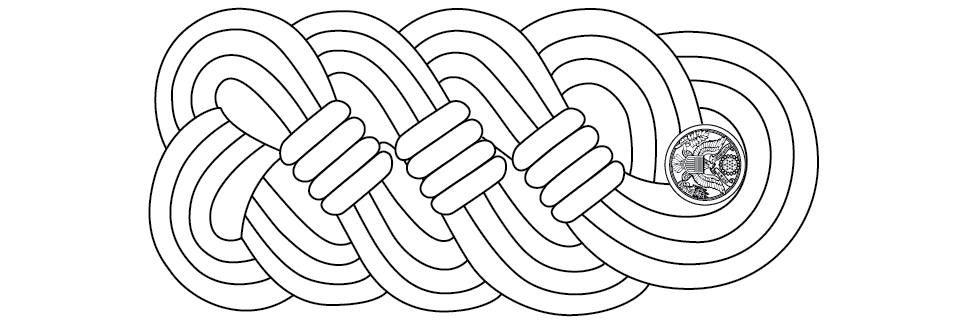

Figure 16-5: Sleeve ornamentation, blue mess, general
DA PAM 670-1, Page 108
Figure 16-5 from DA PAM 670-1
View in PDF
Figure 16-6: Sleeve ornamentation, blue mess, lieutenant general
DA PAM 670-1, Page 108
Figure 16-6 from DA PAM 670-1
View in PDF
Figure 16-7: Sleeve ornamentation, blue mess, major general
DA PAM 670-1, Page 109
Figure 16-7 from DA PAM 670-1
View in PDF
Figure 16-8: Sleeve ornamentation, blue mess, brigadier general
DA PAM 670-1, Page 109
Figure 16-8 from DA PAM 670-1
View in PDF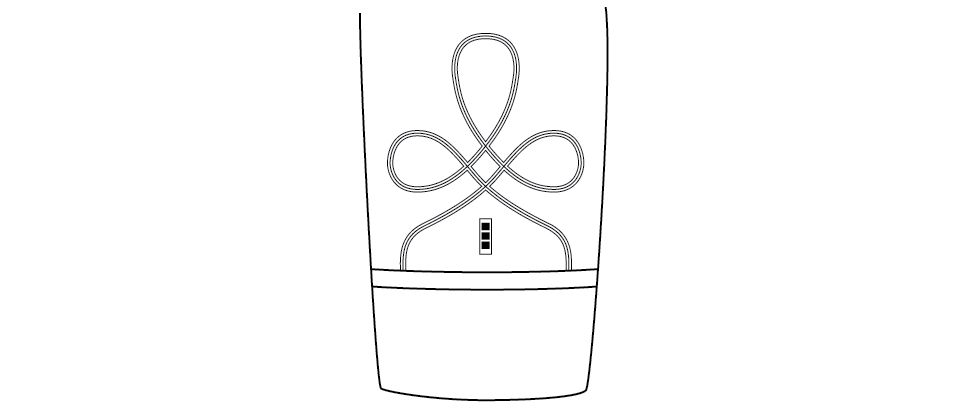
Figure 16-9: Sleeve ornamentation, blue mess, field and company grade officers
DA PAM 670-1, Page 110
Figure 16-9 from DA PAM 670-1
View in PDF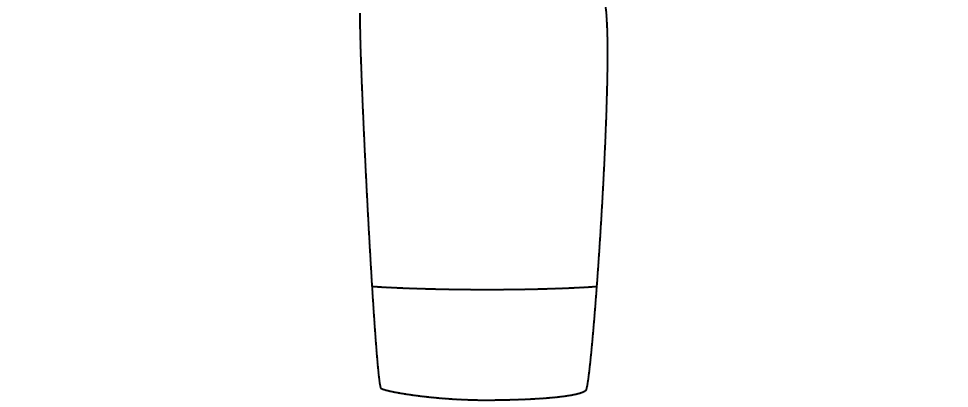
Figure 16-11: Sleeve ornamentation, blue and white mess, enlisted
DA PAM 670-1, Page 111
Figure 16-11 from DA PAM 670-1
View in PDF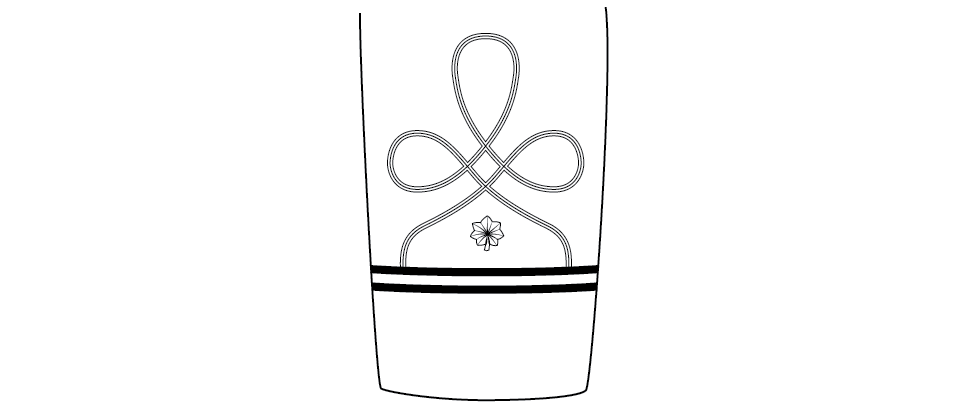
Figure 16-10: Sleeve ornamentation, blue and white mess, warrant officer
DA PAM 670-1, Page 110
Figure 16-10 from DA PAM 670-1
View in PDFRelated Topics
Get AR 670-1 Update Alerts
Be the first to know when Army Directives change uniform policies.
Disclaimer: This information is provided for educational purposes only. AR670.com is not an official U.S. Army resource. Always verify guidance with official publications and your chain of command.