DA PAM 670-1: 20-3. Belts and buckles
Quick Answer
Covers the rigger belt (tan 499) for utility uniforms, the heritage walnut 567 belt with open face buckle for the AGSU, and the black web belt with brass buckle for the ASU. Belt direction differs for male and female Soldiers.
Important
Unit and command policies may be more restrictive than AR 670-1. Always verify with your chain of command for local policies.
Official Source
View DA PAM 670-1, Section 20-3 (Pages 134-137)Full Details
20-3. Belts and buckles
a. Belt, rigger, tan 499.
(1) Type. The rigger belt with buckle is a clothing bag issue item.
(2) Description. The belt is tan 499 cotton web or woven elastic 2 inches wide.
(3) How worn.
(a) The rigger belt is worn with the attached black, open face buckle. It is worn so that the tipped end passes through
the buckle to the wearer’s left; the end will not extend more than 2 inches beyond the edge of the buckle. The belt’s
end may be neatly trimmed to ensure a proper fit.
(b) All personnel will wear the rigger and open face buckle with utility uniforms that have belt loops.
b. Belt, heritage walnut 567, web waist.
(1) Type. The heritage walnut 567 web waist belt is a clothing bag issue item.
(2) Description. The unisex belt is heritage walnut 567 cotton web with oxidized brass tip.
(3) How worn. The heritage walnut belt is worn only with the open face buckle. The belt is worn so that the tipped
end passes through the buckle to the wearer’s left for male Soldiers and to the wearer’s right for female Soldiers and
will not extend more than 1 inch beyond the first pant loop.
c. Belt, black, web waist, brass tip.
(1) Type. The brass tip belt is an optional purchase.
(2) Description. The belt is black cotton web or black woven elastic with a brass tip. The men’s belt is 1 –1/4
inches wide. The women’s belt is 1 inch wide.
(3) How worn.
(a) The brass tip belt is worn only with the brass buckle. The belt is worn so that the tipped end passes through the
buckle to the wearer’s left for male Soldiers and to the wearer’s right for female Soldiers. The tipped end will extend
beyond the end of the buckle so that only the brass tip is visible, and no fabric portion of the belt can be seen beyond
the buckle. The plain end (no tip) of the belt may extend beyond the keeper portion of the inside of the buckle, provided
that it is not visible when worn.
(b) Male Soldiers wear the 1 –1/4-inch brass tip belt and brass buckle with ASU and dress variation. Male Soldiers
may wear suspenders of a commercial design with dress variations, provided that they are not visible.
(c) Female Soldiers wear the 1-inch brass tip belt with the ASU when wearing slacks with the tucked-in version of
the dress shirt. Female Soldiers are not required to wear a belt when wearing the overblouse with the slacks.
d. Buckle, open face.
(1) Type. The buckle is a clothing bag issue item.
(2) Description. A unisex, antique finish open face buckle is worn with the heritage walnut 567 web waist belt
(see fig 20–1).
e. Buckle, belt, brass.
(1) Type. The buckle is an optional purchase item.
(2) Description. A brass buckle, 1–11/16 inches long and 1–5/8 inches wide for male Soldiers; 1–1/8 inches by 2
inches for female Soldiers (see fig 20–2).
(3) How worn. The buckle is attached to the end of the black web waist belt with the brass tip and is worn with
ASU and dress variations.
Related Figures
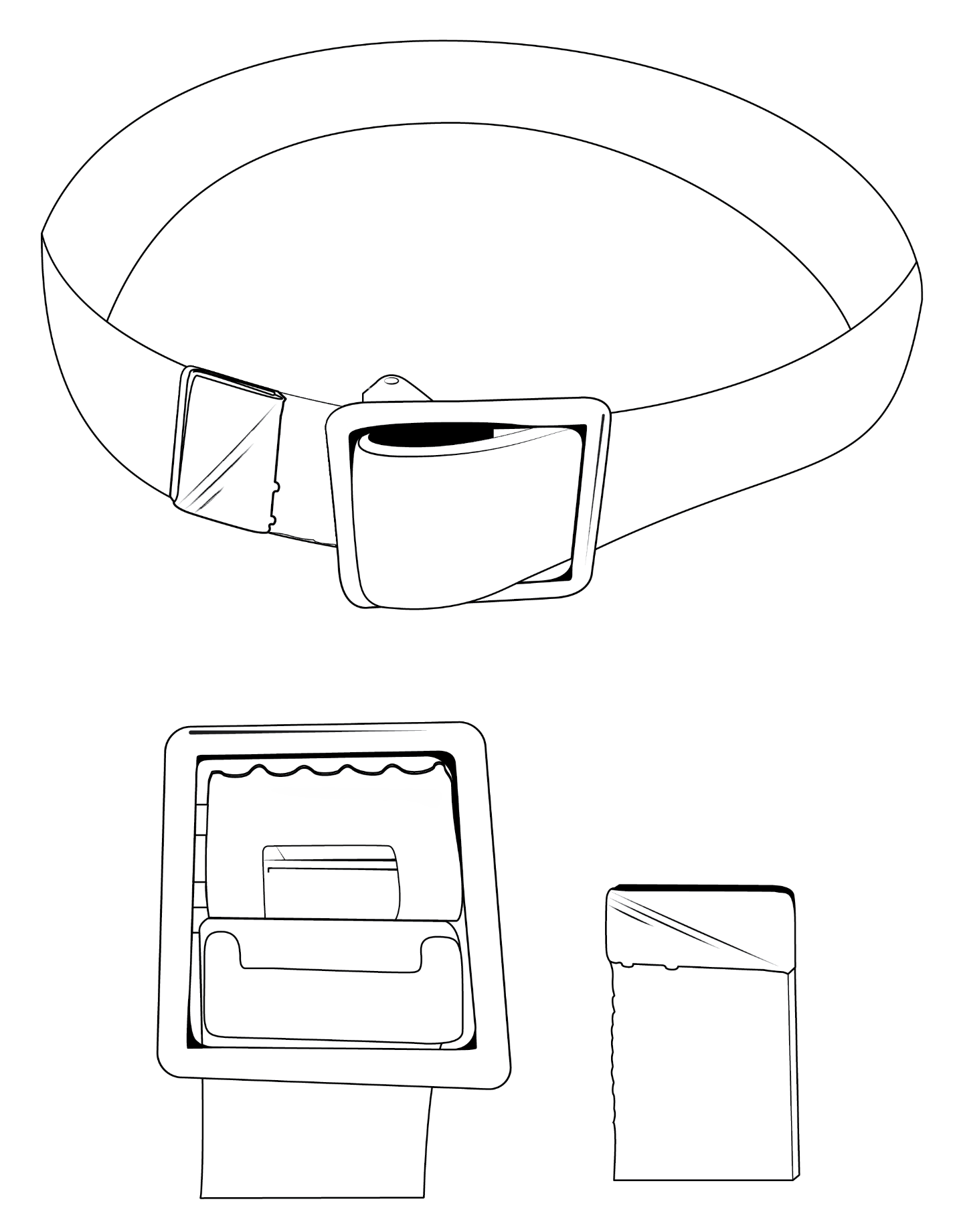
Figure 20-1: Web waist belt and open face buckle
DA PAM 670-1, Page 136
Figure 20-1 from DA PAM 670-1
View in PDF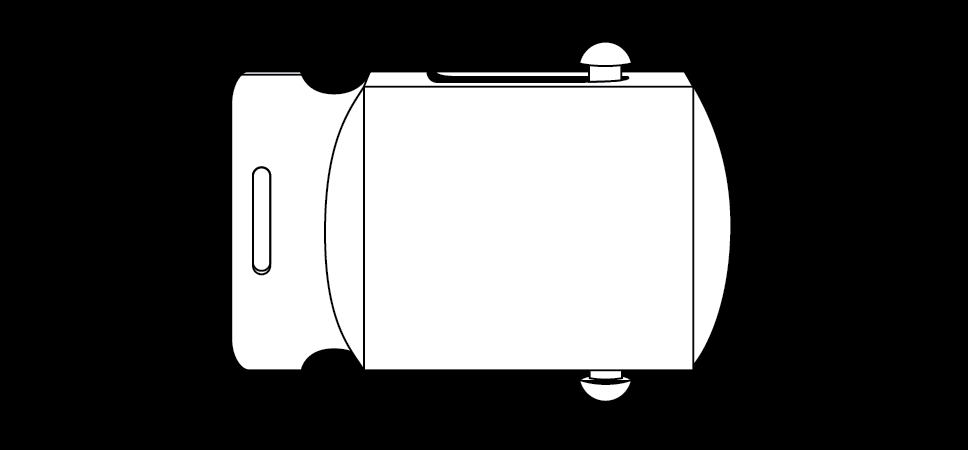
Related Topics
Shop AR 670-1 Compliant Belts & Buckles
Every product verified against AR 670-1 regulations.
WOLF TACTICAL Heavy Duty Riggers Belt
$29.99
5.11 Tactical Belt 1.75in TDU
$29.99
Affiliate disclosure: As an Amazon Associate, AR670.com earns from qualifying purchases.
Get AR 670-1 Update Alerts
Be the first to know when Army Directives change uniform policies.
Disclaimer: This information is provided for educational purposes only. AR670.com is not an official U.S. Army resource. Always verify guidance with official publications and your chain of command.