DA PAM 670-1: 21-23. Regimental distinctive insignia
Quick Answer
Soldiers wear the RDI when affiliated with a regiment or whole-branch regiment based on PMOS or specialty. On the ASU coat, male Soldiers wear the RDI centered 1/8 inch above the right pocket flap. On mess uniforms, the RDI is centered on the right lapel 1/2 inch below the notch. The RDI and DUI will be the same for Soldiers assigned to and affiliated with the same unit.
Important
Unit and command policies may be more restrictive than AR 670-1. Always verify with your chain of command for local policies.
Official Source
View DA PAM 670-1, Section 21-23 (Pages 254-256)Full Details
21-23. Regimental distinctive insignia
a. Authorization. Soldiers wear RDI when affiliated with a regiment or whole-branch regiment (based on a Sol-
dier’s branch, corps, or special branch as determined by PMOS or specialty).
b. How worn.
(1) Male Soldiers.
(a) On the ASU coat and shirt (not authorized on the AGSU shirt), male Soldiers wear the RDI centered 1/8 inch
above the top of the pocket flap or 1/4 inch above any unit awards or foreign badges that are worn (see fig 21–141).
When the coat lapel obscures the RDI, Soldiers may wear the RDI aligned to the right edge of the unit awards or the
nameplate. Wearing the RDI on the ASU shirt is optional.
(b) On the blue and white mess uniforms, male Soldiers wear the RDI centered on the right lapel. On the blue mess
uniform, the RDI is worn centered on the satin facing 1/2 inch below the notch in the lapel. On the white mess uniform,
the RDI is worn centered on the lapel 1/2 inch below the notch. The RDI is worn so that the vertical axis of the insignia
is perpendicular to the ground (see fig 21–142).
(2) Female Soldiers.
(a) On the ASU and AGSU, the ASU shirts (not authorized on the AGSU shirt), and maternity tunic, female Sol-
diers wear the RDI centered 1/2 inch above the nameplate or 1/4 inch above any unit awards or foreign badges that
are worn. When the coat lapel obscures the RDI, Soldiers may wear the RDI aligned to the right edge of the unit
awards or the nameplate. Wearing the RDI on the ASU shirt is optional.
(b) On the blue mess uniform and the new version of the white mess uniform, female Soldiers wear the RDI cen-
tered on the right lapel with the top of the RDI aligned with the top row of miniature medals. On the white mess
uniform, female Soldiers wear the RDI on the right side of the jacket (not on the lapels), centered between the lapel
and shoulder seam with the top of the RDI aligned with the top row of miniature medals. The RDI is worn so that the
vertical axis of the insignia is perpendicular to the ground.
(3) Army green service uniform. On the AGSU coat, Soldiers wear the RDI centered 1/8 inch above the top of the
pocket flap or 1/4 inch above any unit awards or foreign badges that are worn (see fig 21–141). When the coat lapel
obscures the RDI, Soldiers may wear the RDI aligned to the right edge of the unit awards. Wearing the RDI on the
AGSU shirt is not authorized.
(4) Regimental distinctive insignia and distinctive unit insignia. The RDI and DUI will be the same for Soldiers
who are assigned to and affiliated with the same unit. Soldiers who are assigned to a unit or agency not authorized a
DUI will wear the RDI on the beret and the pullover sweater in lieu of a DUI.
Related Figures
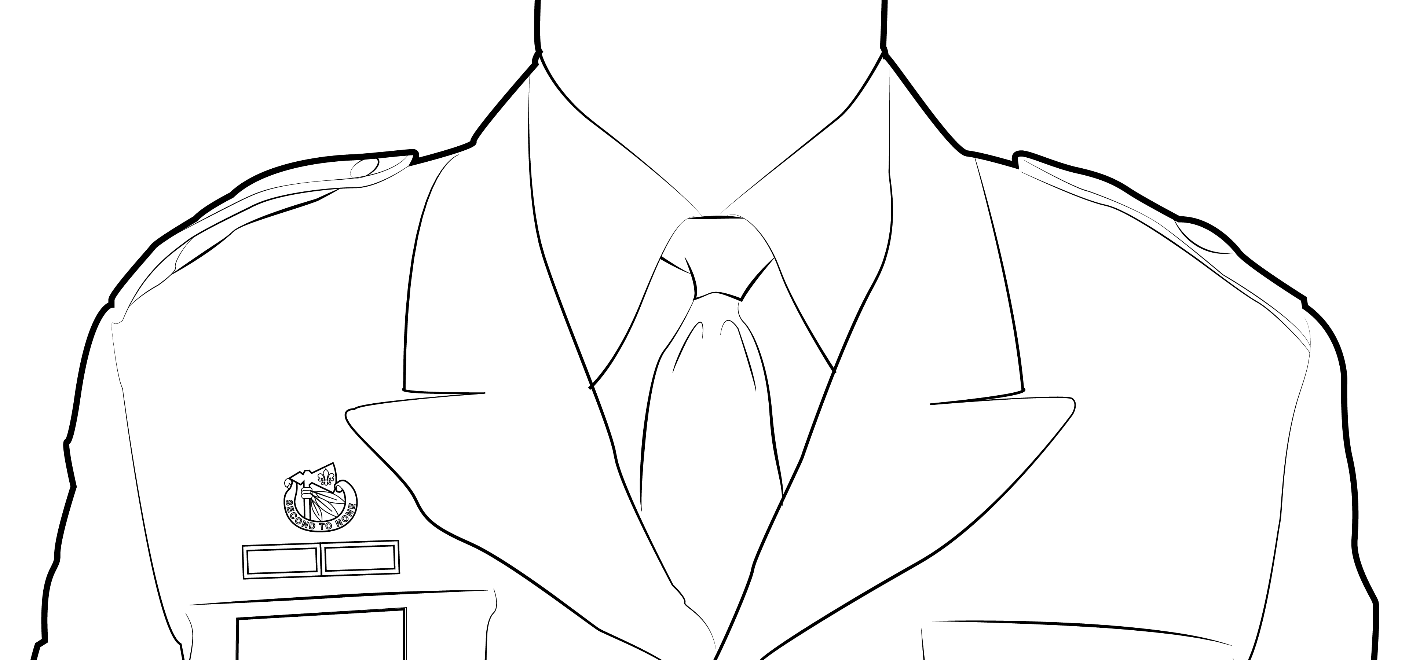
Figure 21-142: Wearing regimental distinctive insignia on Army blue and white mess uniforms, male
DA PAM 670-1, Page 255
Figure 21-142 from DA PAM 670-1
View in PDF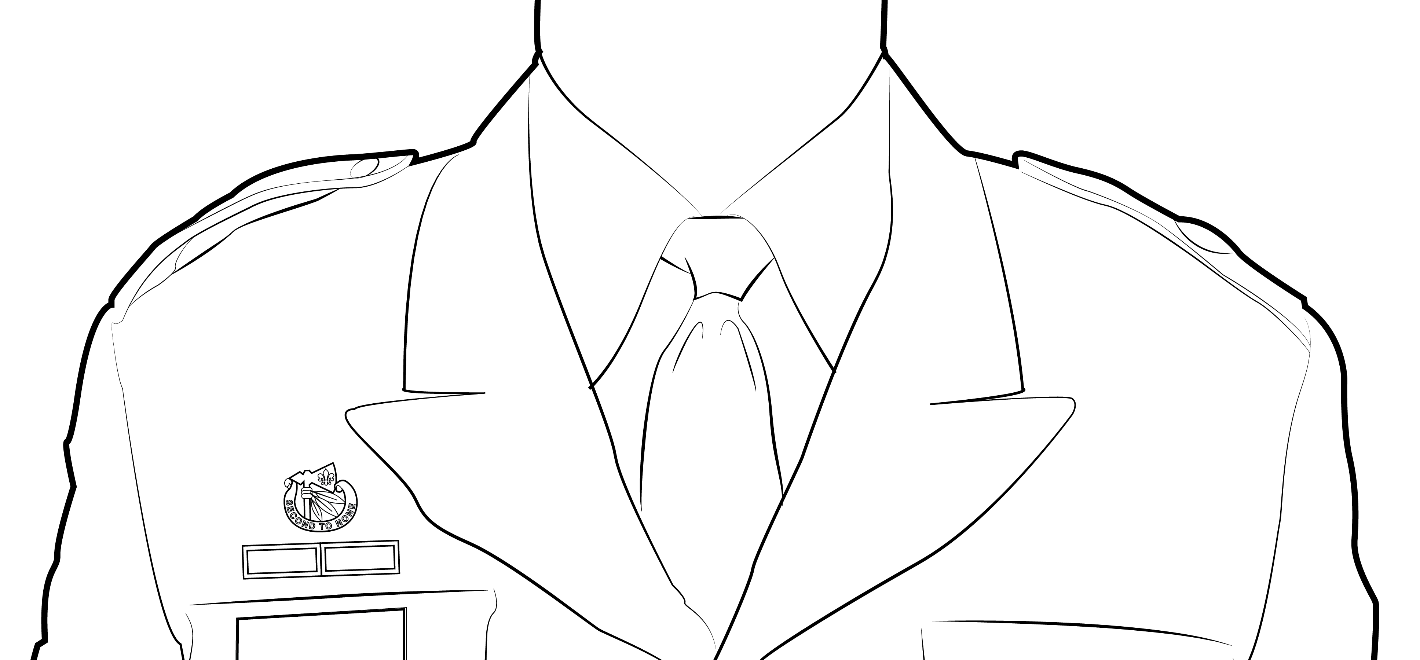
Figure 21-141: Wearing regimental distinctive insignia on Army green service uniforms and Army service uniforms
DA PAM 670-1, Page 255
Figure 21-141 from DA PAM 670-1
View in PDFRelated Topics
Get AR 670-1 Update Alerts
Be the first to know when Army Directives change uniform policies.
Disclaimer: This information is provided for educational purposes only. AR670.com is not an official U.S. Army resource. Always verify guidance with official publications and your chain of command.